

cropper
Queer Action Network
  • Home
  • Categories
    • Politics & Policy
    • LGBTQ+ News
    • Gay & Trans Rights
    • Community Voices
    • Health & Wellness
    • Culture & Pride
    • Equality & Social Justice
    • Youth & Education
November 04.2026
3 Minutes Read

Arizona Voters Reject DEI Amendment, Emphasizing LGBTQ Rights and Inclusion

Diverse team smiling in a bright office, symbolizing inclusion and teamwork.

Arizona's Bold Decision: Rejecting DEI Amendment

In a significant move reflecting societal values, Arizona voters recently rejected Proposition 142, which aimed to amend the state constitution to prohibit training on racial and ethnic discrimination. This result highlights the vibrant and often contentious dialogue surrounding diversity, equity, and inclusion (DEI) initiatives in the U.S., particularly in states with diverse communities. The rejection of this amendment serves as an important touchstone for understanding how the public perceives these vital issues in a rapidly changing society.

Understanding the Impact of DEI Initiatives

DEI training programs have become a cornerstone in many organizations, aiming to create inclusive environments that recognize and celebrate diversity. These programs often include discussions on how to mitigate biases, promote understanding, and foster a culture where every individual feels valued. Supporters argue that these initiatives are essential for fostering equity within communities, particularly for marginalized groups such as the LGBTQ+ community. By engaging in educational programs that address issues of discrimination, organizations seek to mitigate biases and improve workplace inclusion, which is increasingly critical given today's diverse workforce.

Emphasizing Intersectionality

The significance of DEI training transcends beyond ensuring fairness; it also actively works toward understanding the intersectionality of identities within marginalized groups. This helps in creating more textured and nuanced inclusive practices. For instance, individuals who identify as both LGBTQ+ and a person of color may face unique challenges that are often overlooked. DEI initiatives strive to address these complexities by promoting awareness around the various experiences within diverse communities.

The Broader Context of LGBTQ+ Rights and Inclusion

The rejection of the DEI amendment also underscores a larger trend of activism within the LGBTQ+ community. In recent years, significant focus has been placed on LGBTQ rights, including efforts against discrimination and in favor of inclusive policies. Activists argue that measures like Proposition 142 could undermine progress made toward LGBTQ equality, which has been a crucial element of social justice movements over the past decades. Organizations supporting DEI and LGBTQ+ rights point out that marginalized communities often experience compounded discrimination, making the call for inclusive policies even more urgent and necessary.

The Role of Activism and Advocacy

The fight against measures that seek to diminish DEI training is echoed in the broader LGBTQ rights movement, where community organizations work tirelessly to combat anti-LGBTQ laws and promote inclusivity. Advocacy groups continually emphasize the importance of education and awareness in addressing discrimination within communities, schools, and workplaces. Through campaigns, workshops, and community engagement, activists strive to highlight how DEI initiatives can actually empower individuals and foster a culture of belonging—a critical component for the LGBTQ+ community's ongoing struggle for recognition and equality.

What This Means for Future Legislation

The outcome of this amendment reflects a growing awareness of the necessity for anti-discrimination measures in law and policy. As states navigate the landscape of civil rights, the outcome serves as a reminder of the importance of engaging with local communities and listening to the voices of those affected by potential legislation. It emphasizes the need for ongoing dialogue and active participation in political processes to ensure fair and equitable treatment for all individuals, especially those in the LGBTQ community. The results from Arizona might also inspire similar movements across the nation, underscoring another layer of hope in the ongoing fight against discrimination.

Call to Stay Informed

As changes loom at the policy level, it’s vital for all members of the LGBTQ community and allies to remain engaged with ongoing developments. Staying informed about local and national LGBTQ rights issues is crucial for fostering awareness and advocating for policies that support equality and justice. Join advocacy groups, participate in community discussions, and continue the fight for inclusive progress. Knowledge is power, and understanding the implications of legislative decisions like Proposition 142 can equip community members to advocate effectively for a more equitable society. The journey toward inclusion requires commitment and collective action, and every voice counts in shaping the future.

Equality & Social Justice

0 Views

0 Comments

Write A Comment

*
*
Please complete the captcha to submit your comment.
Related Posts All Posts
11.12.2026

Why the U of T's Rejection of Anti-Discrimination Report Matters

Update U of T’s Rejection and Its ImplicationsThe University of Toronto (U of T) recently faced critical scrutiny as it publicly rejected the findings and recommendations of a report addressing anti-Muslim, anti-Arab, and anti-Palestinian discrimination on its campuses. The report, compiled by a working group focused on discrimination, highlights a worrying trend of what it terms “over-policing and under-protecting” these communities. The university's decision to dismiss this substantial report has raised questions about its commitment to inclusivity and equity in academia.Context and Community ResponseThis report, which involved the voices of 85 individuals and gathered over 525 survey responses, presented a compelling narrative of discrimination experienced by Muslim and Arab individuals in university settings. Critics were quick to respond, emphasizing that U of T's administration appears unwilling to engage fully with reports that challenge its policies or reflect poorly on its reputation. By sidelining the findings, many argue that the university is dismissing the lived experiences of its communities and perpetuating an environment of bias.Key Findings of the ReportAmong the 57 recommendations offered were significant proposals aimed at improving campus safety and reducing bias in the handling of complaints related to discrimination. The report emphasized the need for a more equitable approach to policing campus events, urging greater transparency and fairness in administrative actions. Such recommendations are critical in fostering a genuinely inclusive environment, especially in a multicultural society like Canada.Future Implications for U of TThe decision to reject the report sets a potentially troubling precedent for other educational institutions that struggle with similar discrimination issues. U of T’s stance may discourage future efforts from groups seeking to address discrimination, as their findings may not be taken seriously. As discussions around equity and inclusivity continue to grow, the responsibility lies increasingly on institutions to respond effectively to the voices of all their members.Call to ActionAs students and community members, now is the time to advocate for meaningful change within our educational institutions. Engaging in dialogue, attending town halls, and voicing concerns can help shape a more inclusive university environment. By standing united in these calls for equity, we can push for positive change that acknowledges and respects the diversity of experiences.

10.23.2026

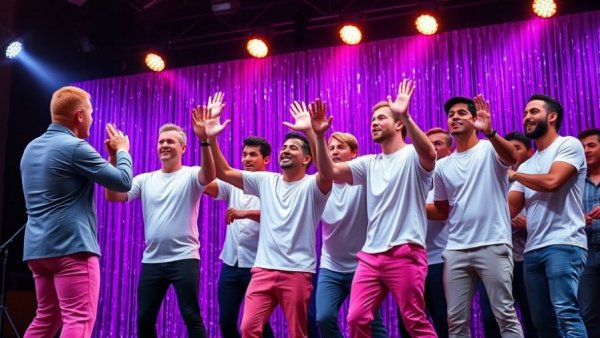
Greenville Gay Men’s Chorus Raises $40K Amid Adversity: A Look at LGBTQ Rights

Update Introduction: A Community Rallies for SupportIn the face of adversity, the Greenville Gay Men’s Chorus has managed to raise an impressive $40,000 after facing significant funding cuts from the South Carolina state government. Executive director Mary Adam expressed her disappointment, stating, "There’s no reason to have singled us out and discriminated against us.” This incident has become a rallying cry for LGBTQ+ communities not only in Greenville but across the state.The Impact of Funding Cuts on LGBTQ+ OrganizationsThe abrupt removal of state funding for the chorus represents a profound challenge for LGBTQ+ organizations that rely on such support to foster community engagement and cultural representation. The chorus has been vital in promoting inclusivity and artistic expression in a state where LGBTQ+ rights are often scrutinized. As LGBTQ rights updates continue to evolve, fundraising initiatives become essential lifelines for these groups feeling the sting of governmental discrimination.Community Solidarity and Fundraising SuccessThe fundraising campaign led by the chorus not only underscores the community’s solidarity but also reflects a growing awareness around LGBTQ issues, especially as related to funding and support. Events like this play a crucial role in highlighting how organizations mobilize against disparities and discrimination. In recent years, many LGBTQ advocacy groups have seen similar support through community-driven efforts, amplifying the voices of those who feel marginalized.A Broader Movement: Activism and VisibilityThis campaign is more than just about raising funds; it's a crucial moment for LGBTQ activism in South Carolina. As states across the U.S. grapple with LGBTQ discrimination laws and anti-LGBTQ rhetoric, the chorus's success serves as an inspiring example of resilience. Organizing such events not only builds a financial buffer but also reinforces the importance of visibility and beacons of hope in the face of legislative challenges.Future Predictions: What Lies Ahead for LGBTQ Rights?As this saga unfolds, there is potential for significant impact on LGBTQ policies at the state level. With numerous states assessing their stance on LGBTQ issues, the chorus's fundraising triumph could inspire similar campaigns in other regions seeking to combat discrimination. Looking forward, increased public attention may encourage lawmakers to reevaluate anti-LGBTQ policies, leading to robust advocacy for LGBTQ youth rights and further protections against discrimination.The Role of Allies in Supporting the CauseAllies play a pivotal role in supporting LGBTQ organizations. Community support extends beyond just financial donations; it encompasses actions such as advocating for policy changes and reducing stigmas surrounding the LGBTQ community. Whether through joining pride parades or supporting nonprofits focused on LGBTQ civil rights, allies can amplify the voices of marginalized communities and create a more inclusive environment.Conclusion: Take Action for LGBTQ RightsThe fundraising efforts of the Greenville Gay Men’s Chorus highlight the importance of community support in the fight against discrimination. To create lasting change, individuals can get involved with local LGBTQ advocacy groups, attend community events, or even donate to initiatives that support LGBTQ rights. Your participation matters—together, we can foster a more equitable society for all.

10.20.2026

Why Teaching LGBTQ+ Topics in Schools is Crucial for Our Future

Update Understanding the Importance of LGBTQ+ EducationThe struggles and triumphs experienced by LGBTQ+ individuals throughout history are vital not only to understanding societal progress but also to fostering a more inclusive future. This dynamic underscores the urgent need for comprehensive LGBTQ+ education in schools, especially in today's socio-political climate, where challenges to these communities are frequent. With the recent uptick in anti-LGBTQ laws and sentiments, teaching LGBTQ+ history and issues becomes essential for fostering empathy and understanding among all students.Historical Context and BackgroundThe history of LGBTQ+ individuals is often marred by oppression and erasure. For centuries, society has attempted to suppress the narratives of those fighting for their rights. Figures like Sappho, whose works were actively destroyed by institutions aiming to erase queer stories, exemplify how marginalized voices are often silenced. Reinserting these narratives into educational curricula allows students to understand the rich tapestry of LGBTQ+ identities shaped by both societal challenges and personal battles.Moreover, the idea that LGBTQ+ identities are a relatively modern development overlooks the deep cultural roots and contributions of these communities throughout history. Evidence dating from ancient civilizations demonstrates that diverse sexual orientations and gender identities have existed long before contemporary labels were assigned. From the sacred and revered roles of same-sex love in ancient Greek culture to the vibrant expression of gender diversity in many Indigenous cultures worldwide, the acknowledgment of this history is critical in countering the narrative that LGBTQ+ identities are merely a contemporary phenomenon.The Social Connection of LGBTQ+ EducationWhen students learn about LGBTQ+ history, they cultivate respect and appreciation for diversity. This education often fosters a sense of community, allowing LGBTQ+ students to see themselves represented and validating their experiences. Moreover, it teaches non-LGBTQ+ students about the struggles of their peers, promoting allyship and reducing the stigma surrounding sexual orientation and gender identity. Inclusion of LGBTQ+ topics can also enrich discussions around human rights, equality, and social justice, reinforcing the idea that the fight for LGBTQ+ rights is inextricably linked to broader movements advocating for the rights of all marginalized groups.Future Predictions and OpportunitiesAs debates around LGBTQ+ rights continue to dominate the public sphere, future generations will be directly impacted by how effectively these topics are taught in schools today. Experts predict that a more robust and inclusive educational approach could lead to declining instances of bullying and discrimination, fostering safer and more equitable learning environments. Furthermore, schools that embrace diversity in their curricula tend to create engaged citizens who advocate for broader social justice.In addition, fostering open discussions about LGBTQ+ issues can empower students to challenge harmful stereotypes and misinformation. Equipped with knowledge, they are more likely to grow into compassionate adults who value diversity and engage in advocacy for equality, ensuring that future generations inherit a more just society.Actionable Insights for EducatorsEducators can play a critical role in promoting LGBTQ+ education by incorporating diverse voices and narratives into their lessons. Providing resources that cite LGBTQ+ historical figures, literature, and current events can empower students with knowledge that fosters respect and understanding. Workshops and training for teachers on LGBTQ+ inclusivity can equip them with the tools to create safe classrooms while integrating LGBTQ+ topics into broader discussions on human rights.Additionally, schools should consider establishing LGBTQ+ clubs or peer support groups, creating spaces where students can discuss their experiences openly. These clubs not only support LGBTQ+ students but also educate their peers, building bridges of understanding that are crucial in today’s diverse schools.The Emotional Impact of Including LGBTQ+ TopicsFor many LGBTQ+ youth, seeing their struggles acknowledged can have a profound emotional impact. Education not only provides representation but also sends a message that LGBTQ+ lives matter. This recognition can significantly reduce feelings of isolation and despair among LGBTQ+ students, promoting better mental health outcomes. Schools that prioritize LGBTQ+ education create a supportive atmosphere where every student can flourish without fear of discrimination.Furthermore, studies highlight that LGBTQ+ inclusive education is linked to lower rates of anxiety and depression among LGBTQ+ youth. When students engage with the stories and contributions of LGBTQ+ individuals, they are more likely to feel seen and understood. This inclusive lens helps build a supportive school culture that enhances the educational experience for everyone.Conclusion: Why LGBTQ+ Education Matters NowNow more than ever, it is essential to advocate for LGBTQ+ education in schools. By incorporating these topics into the curriculum, we not only honor the history and contributions of LGBTQ+ individuals but also prepare all students to navigate a diverse world with empathy. The power of knowledge can change perceptions and reduce discrimination, making our society a more inclusive place for everyone. It’s time for educators, policymakers, and communities to come together and champion these essential topics in our schools.Moreover, as we face a climate of divisions and hostility, the proactive inclusion of LGBTQ+ education can serve as a cornerstone for fostering resilience and understanding among young people. By rejecting ignorance and promoting knowledge, schools play a pivotal role in shaping a future where diversity is embraced and celebrated. This commitment to inclusive education will ultimately lead to stronger, more united communities where every individual can thrive.

Queer Action Network

Get your news here! 
Get your Gay News Here!  

COMPANY

  • Privacy Policy
  • Terms of Use
  • Advertise
  • Contact Us
  • Menu 5
  • Menu 6

3479746224

AVAILABLE FROM 8AM - 5PM

Brought To you from Michigan and Toronto, Canada

, ,

ABOUT US

We believe in everyone's right to live how they want, and express themselves in ways that matter to them. Life is becoming more dangerous to live outside "the box" that people want to put us in.  We say "NO".

© 2026 CompanyName All Rights Reserved. Address . Contact Us . Terms of Service . Privacy Policy

Terms of Service

Privacy Policy

Core Modal Title

Sorry, no results found

You Might Find These Articles Interesting

T
Please Check Your Email
We Will Be Following Up Shortly
*
*
*