
cropper
Queer Action Network
  • Home
  • Categories
    • Politics & Policy
    • LGBTQ+ News
    • Gay & Trans Rights
    • Community Voices
    • Health & Wellness
    • Culture & Pride
    • Equality & Social Justice
    • Youth & Education
November 07.2026
4 Minutes Read

Maggie Ellis: A Pioneering Voice for LGBTQ+ Rights on Texas Supreme Court

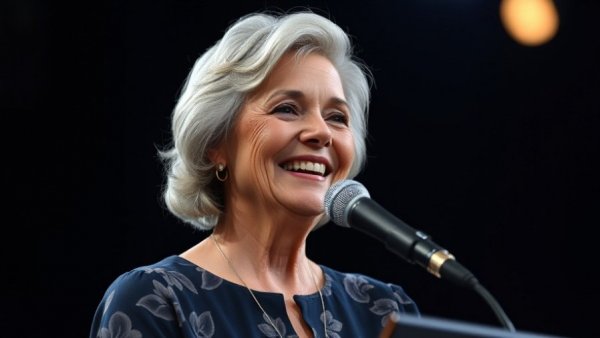
Maggie Ellis speaking at an event, highlighting her as the first queer woman on the Texas Supreme Court.

Historic Moment for LGBTQ+ Rights in Texas

Maggie Ellis has etched her name into the annals of history, becoming the first openly queer woman to serve as chief justice of the Texas Supreme Court. This momentous achievement came as a part of a broader Democratic shift in the state, where all four contested seats on the court were won by Democrats. Ellis, edging out her Republican opponent Jimmy Blacklock with a 52% majority, emphasizes the importance of representation, stating, "It’s significant that I would be the first openly queer female justice in the entire state of Texas. It’s important that all of our elected seats reflect the population that they serve." Ellis’s win is particularly noteworthy in a state that has historically faced criticism for its conservative policies surrounding LGBTQ+ rights.

Championing LGBTQ+ Rights and Justice

Ellis, whose journey began as a teacher before shifting to law, has her sights set on crucial judicial reforms related to same-sex marriage rights. Previously, the Texas Supreme Court allowed judges to refuse performing same-sex marriages, infringing upon LGBTQ+ civil rights. This has raised questions around LGBTQ+ inclusion and equality in a state notorious for its stringent policies. As chief justice, Ellis is poised to use her position to advocate for revisiting these discriminatory measures. "Texas, we made history. As a mom, I can't help but think about what this means for the next generation of Texas kids," she remarked, underscoring her personal connection to the issues at hand.

The Social Impact of Representation

Justice Ellis's ascension reflects a vital shift in the political landscape, one that inspires and validates the LGBTQ+ community, especially among younger generations. According to recent polls, youth support for LGBTQ+ issues has been steadily rising, with many expressing the desire for a more inclusive legal framework. Young people today are more vocal and engaged in social justice, and the historic election of someone like Ellis serves as a rallying point. As Justice Ellis stated, she hopes for a future where every child growing up in Texas feels secure in their identity, without fear of discrimination based on whom they love. This kind of representation can empower individuals to embrace their identity fully, seeing a path forward that was once out of reach.

Response from the Community

The LGBTQ+ community has welcomed Ellis's victory with open arms, viewing it as a significant turning point in the fight for equality. Advocacy organizations have highlighted the need for increased visibility and representation, especially in leadership roles within government and the judiciary. "Maggie Ellis's victory is not just a personal triumph but a beacon of hope for all in the LGBTQ+ community. This is a moment of empowerment," stated a representative from an LGBTQ+ advocacy group. Many are looking forward to an era in which legal decisions are influenced by firsthand experiences of diverse identities. This win also represents a broader challenge to anti-LGBTQ+ sentiments and legislation that have gained momentum in recent years.

Looking to the Future: Legislative Goals

Beyond her focus on same-sex marriage, Ellis aims to tackle broader issues related to legal access for low-income Texans. Her experience working in family law and Child Protective Services gives her a unique perspective on the obstacles many face in accessing justice. In her previous roles, she has witnessed firsthand how difficult and daunting the legal system can be, particularly for those lacking adequate resources. As she prepares to take office, the community is eagerly anticipating her proposed initiatives to expand legal services, making them more accessible to everyone, especially marginalized groups. Addressing these disparities is crucial, as many Texas residents continue to encounter barriers that limit their access to essential legal help.

A Symbol of Hope in Changing Times

In a time when anti-LGBTQ+ laws have gained traction in various states across the country, Ellis’s position symbolizes resilience and progress. It reflects a larger battle within the LGBTQ+ rights movement against systemic discrimination and inequality. Many advocates hope this newfound representation will catalyze additional reforms that dismantle the prejudices embedded within the judicial system. As society grapples with these issues, leaders like Ellis are crucial for driving meaningful changes and fostering acceptance. Her influence as chief justice could pave the way for future leaders who might follow in her footsteps, continuing the fight for justice and equality for all.

As we witness these significant developments in Texas and beyond, it’s crucial for community members and allies to remain engaged. Following the ongoing changes in LGBTQ+ legislation and supporting advocacy initiatives will ensure that the progress made is not only preserved but expanded. Ellis’s history-making role could indeed be an emblem of ongoing struggles and victories yet to come for the LGBTQ+ community. Moreover, it highlights the necessity of active participation in politics, encouraging individuals to advocate for their rights and the rights of others. Together, Texans can foster a more inclusive environment where everyone has a voice.


LGBTQ+ News

7 Views

0 Comments

Write A Comment

*
*
Please complete the captcha to submit your comment.
Related Posts All Posts
11.22.2026

Why Abbi Jacobson and Her Wife Pretend to be Sisters in Some States

Update Living in Fear: The Reality for LGBTQ+ Couples Recently, actress Abbi Jacobson opened up about a stark reality that many same-sex couples face while traveling across the United States. During an interview, she revealed that she and her wife, actress Jodi Balfour, sometimes have to pretend to be sisters instead of partners in specific states due to concerns for their safety. Jacobson articulated this unsettling truth, demonstrating the precarious existence that many LGBTQ+ individuals face in regions where anti-LGBTQ+ sentiments remain high. This necessity of hiding one’s true identity not only impacts personal relationships but also affects mental health, creating a burden that many LGBTQ+ individuals bear silently. Progress and Challenges in Hollywood Jacobson’s candid discussion about her relationship reflects not just a personal experience but highlights the broader social landscape. While she praised the progress made in Hollywood, including the ability to be open about her sexuality and work without hiding, she acknowledged the varying degrees of acceptance across the country. Hollywood has indeed made strides; however, there remains a patchwork of social attitudes toward LGBTQ+ rights in different states. Notably, some filmmakers and actors are leveraging their platforms to advocate for change and representation, fostering a more inclusive industry landscape. That said, the gap between acceptance in progressive cities and conservative regions continues to create disparities that affect LGBTQ+ couples and families. The Impact of Location on LGBTQ+ Relationships The necessity of pretending to be something one is not in certain places speaks to a severe issue of safety and acceptance in the LGBTQ+ community. This sentiment resonates deeply with individuals who, in their everyday lives, may have to navigate spaces where their identities are not welcomed. Jacobson’s example serves as a stark reminder that while some areas might be progressive hubs, other places still harbor outdated laws and social standards that can endanger the lives of marginalized groups. In states with anti-LGBTQ legislation, the fear of discrimination or violence remains very real. For many couples, being forced into a false narrative can strain relationships and identities, as they grapple with the dissonance between their proclaimed selves and how they must present to the world. This duality can lead to feelings of isolation and anxiety, further underscoring the need for societal shifts towards acceptance and understanding. The emotional toll is significant, as LGBTQ+ individuals often feel they must continuously assess their environment for potential threats to their safety and their relationship. Reflecting on Identity through Art In the context of her latest film, Tangles, which revolves around a woman caring for her mother with Alzheimer’s, Jacobson's reflections on her queer identity surface in intriguing ways. The film adaptation of Sarah Leavitt’s graphic memoir can be seen as a poignant exploration of familial relationships, echoing her genuine understanding of what family means. Jacobson noted that sharing authentic stories is vital—especially stories that include LGBTQ+ experiences—since they foster understanding and acceptance in society. This connection between art and real-life experiences highlights how representation in media can influence societal attitudes and beliefs. This specific film not only addresses care within families but also tackles themes of love and identity, making it particularly relatable to those navigating complex personal dynamics. The well-rounded portrayal of diverse narratives in media is crucial in normalizing LGBTQ+ stories and experiences, showing audiences that differing realities are just as valid and worthy of acknowledgment. Pushing Back Against Anti-LGBTQ+ Legislation Jacobson is also vocal about issues affecting the LGBTQ+ community, such as the recent cancellation of her Amazon series A League of Their Own after only one season, which she deemed unfairly attributed to industry strikes. The cancellation stripped away an essential platform that celebrated LGBTQ+ and Black stories, reminding audiences that representation matters. In today’s evolving landscape, it's crucial for artists and advocates alike to fight against narratives that undermine representation and inclusion. Jacobson's frustration is shared by many in the community, who see these cancellations as not just a loss of jobs, but a regression in visibility for underrepresented stories. Cultural representations significantly shape public perceptions, framing the conversation around LGBTQ+ identities and issues. The fight against censorship and misrepresentation becomes a collective responsibility, underscoring the importance of artistic freedom and equity in storytelling. Bridging the Gap: The Path Forward To move towards a culture of inclusivity, continual activism is required. Individuals and organizations must strive for better laws and protections for LGBTQ+ rights while also fostering community discussions about discrimination and safety. Jacobson's story sheds light on the challenges that LGBTQ+ individuals face, emphasizing the need for collective action to pave the way for a future where every relationship, irrespective of gender, can be celebrated without fear. The importance of local advocacy cannot be overstated, with grassroots movements standing at the forefront to create safer, more inclusive environments. Join the Movement: Insights and Actions As we navigate this critical moment in LGBTQ+ advocacy, it's imperative for allies to demonstrate support through everyday actions: educating oneself on LGBTQ+ civil rights, advocating for change in local laws, and participating in community organizations that promote safety and inclusivity for all. Together, we can dismantle the barriers that remain for LGBTQ+ couples and ensure that the love shared is never hidden behind a guise of sisterhood. By creating a culture of understanding and respect, we can foster environments where everyone feels equal and valued, regardless of whom they love.

11.22.2026

Intimacy Coordination in Heated Rivalry: A Step Towards LGBTQ+ Advocacy

Update Behind the Scenes of LGBTQ+ Intimacy in Heated Rivalry'Heated Rivalry,' HBO Max's most-watched scripted acquisition, has taken the TV landscape by storm with its sizzling romance between Hudson Williams and Connor Storrie. The show's success not only captivates audiences but also raises important questions about consent and comfort in the portrayal of LGBTQ+ intimacy on screen. The pressure to deliver authentic, yet sensitive performances on a high-profile show is handled deftly by a key figure in the production—intimacy coordinator Chala Hunter.A New Role in the Entertainment IndustryIntimacy coordinators are becoming increasingly common in film and television, serving as representatives of consensual boundaries and emotional safety for actors during intimate scenes. Hunter’s participation in 'Heated Rivalry' provided both actors with a sense of security. She ensured that as the characters explored their relationship intimately, they also navigated the complexities of portraying vulnerability in front of the cameras. This role has risen in prominence in recent years, reflecting a broader shift in the industry to prioritize actor welfare, especially concerning intimate portrayals.The Importance of Consent and ComfortIn an era dominated by movements like #MeToo, Hunter emphasizes the significance of consent in all aspects of performers' interactions. "I approach every scene with the goal of ensuring that everyone is consenting to what they’re doing," Hunter explains. Her methodical approach helps normalize potentially awkward discussions about intimacy, empowering actors to express their concerns freely and openly. By flagging sensitive content, she creates a comfort zone that caters to both physical and emotional boundaries.This insistence on consent often includes sessions prior to shooting, where Hunter discusses what the actors are comfortable with, establishing clear guidelines about what actions will take place. Such practices not only protect the actors but contribute to a more collaborative environment on set, fostering trust and creativity willing to push boundaries without crossing them.Creating a Bromance on and off the ScreenDespite portraying a romantic relationship, Williams and Storrie maintain that their connection is rooted tremendously in unshakeable friendship. This "platonic soulmate" dynamic translates seamlessly into their scenes, adding authenticity to their chemistry. The two actors have shared numerous experiences outside of filming, contributing to the depth of their performances. Understanding the significance of this bond, Hunter takes care to nurture their comfort level on set. The result? Heartfelt scenes that resonate powerfully with audiences.Industry Trends Shaping LGBTQ+ RepresentationAs 'Heated Rivalry' gains acclaim, it reflects pivotal changes in how LGBTQ+ content is produced in Hollywood. Major studios are adopting intimacy coordinators as standard practice, underscoring a growing recognition of the need for inclusivity and sensitivity in storytelling. Hunter's role is emblematic of this change, which advocates for the safe portrayal of LGBTQ+ narratives, aligning with broader LGBTQ+ activism goals across the industry. This shift also signifies a growing appetite for diverse representation in media and a willingness among creators to address often neglected themes of intimacy.Ongoing Challenges in LGBTQ+ MediaHowever, not all productions can afford or implement such practices—particularly smaller, independent films that may operate without formal guidelines. This disparity speaks to larger issues within the LGBTQ+ community regarding representation and safety in the arts. Many smaller productions may lack the budget to employ a dedicated intimacy coordinator, raising questions about how intimate scenes are handled in these environments. As discussions about consent and intimacy evolve, advocates argue for more comprehensive training and support to ensure that all productions prioritize the comfort of their casts, regardless of size and budget.A Glimpse into the Future of Intimacy CoordinationLooking ahead, the role of intimacy coordinators like Hunter will continue to shape how stories of love and intimacy are told on screen. As audiences demand more authentic and respectful representations of LGBTQ+ relationships, coordinators will remain essential in facilitating a safe environment for actors. With a commitment to inclusivity and understanding, the future of LGBTQ+ media appears promising, sparking hope for further advancements in both representation and rights. Hunter believes that as more productions adopt these practices, the quality of intimate storytelling in film and television will only improve.Engaging with the LGBTQ+ CommunityWhether through film, television, or activism, understanding the critical role of intimacy coordinators in LGBTQ+ storytelling can encourage fans and supporters alike to advocate for better representation in all forms of media. As interest grows in productions like 'Heated Rivalry,' it reflects a shifting culture that is becoming more attuned to the complexities of LGBTQ+ narratives. Activating understanding and support in this space is vital as the movement for equality continues. The positive reception of shows like 'Heated Rivalry' has highlighted the need for more inclusive narratives, and the push for better representation in entertainment aligns with broader social movements advocating for LGBTQ+ rights.Engage with and support LGBTQ+ rights by following advocacy groups in your area, attending local Pride events, or promoting media that accurately represents diverse narratives. Your involvement helps foster a more inclusive future for all. By encouraging discussions about the importance of representation, we can continue to pave the way for future generations of queer storytellers, ensuring that LGBTQ+ stories remain a central part of our collective narrative.

11.21.2026

Melanie Lynskey Demands More Raw LGBTQ Representation: What Fans Should Know

Update Melanie Lynskey Advocates for LGBTQ Representation in Media In a recent interview, acclaimed actress Melanie Lynskey shared her thoughts on the evolving landscape of television, particularly as it pertains to LGBTQ representation. Following the finale of 'Yellowjackets', Lynskey expressed a desire for more 'crazy lesbians' on screen, a sentiment that resonates strongly with the queer community. This call for greater visibility reflects a broader trend within LGBTQ advocacy for authentic and multidimensional representations of queer lives. Raw Storytelling Resonates with Audiences Lynskey's comments on the need for raw storylines in series such as 'Heated Rivalry' touch on a critical aspect of modern media consumption. She states, "People want to see hot guys having sex!" which highlights not just the demand for entertainment, but also the community's need for stories that reflect real experiences. As LGBTQ representation in media grows, so too does the appetite for sex-positive narratives that celebrate queer identities without minimizing their complexities. The Balance of Representation and Entertainment While it's essential to showcase sexual and romantic relationships among LGBTQ characters, the balance of nuanced storytelling and entertainment is crucial. Audiences are yearning for depth and authenticity, two essential components that allow viewers to connect with characters on a profound level. "Heated Rivalry" exemplifies this dynamic by daring to address taboo subjects, illuminating the diverse spectrum of sexual identities and relationships. The Impact of Media Representation on the LGBTQ Community Media representation plays a pivotal role in shaping societal perceptions of the LGBTQ community. For many young viewers, seeing themselves represented in their favorite shows can have a transformative effect on their own identities and self-acceptance. As more platforms embrace LGBTQ storylines, the conversation around LGBTQ rights, equality, and visibility becomes central to mainstream discussions. Future Predictions: A Shift in LGBTQ Narratives As the call for more diverse and raw representation continues, we can expect a shift in how stories are told across media platforms. This might include more emphasis on intersectionality in LGBTQ narratives, exploring how race, gender identity, and sexual orientation intersect. Such representations can help dismantle stereotypes and expand the understanding of LGBTQ lives in society. The Community's Role in Advocating for Change Activism within the LGBTQ community has significantly influenced the media landscape, pushing for more inclusive representations and challenging outdated norms. As Lynskey pointed out, the push for diverse storytelling is echoed in broader movements advocating for LGBTQ rights. The progress witnessed in recent years serves as a testament to the strength of community advocacy and the effectiveness of grassroots efforts in elevating these crucial issues. Conclusion: The Path Forward for LGBTQ Visibility in Media Melanie Lynskey's candid insights remind us of the essential work still ahead in championing LGBTQ representation in media. As the community continues to demand visibility and authenticity, we must support those pushing the envelope and advocating for change in both entertainment and society. To connect with this evolving narrative and support local LGBTQ causes, consider contributing to advocacy groups or participating in events that champion equality for all.

Queer Action Network

Get your news here! 
Get your Gay News Here!  

COMPANY

  • Privacy Policy
  • Terms of Use
  • Advertise
  • Contact Us
  • Menu 5
  • Menu 6

3479746224

AVAILABLE FROM 8AM - 5PM

Brought To you from Michigan and Toronto, Canada

, ,

ABOUT US

We believe in everyone's right to live how they want, and express themselves in ways that matter to them. Life is becoming more dangerous to live outside "the box" that people want to put us in.  We say "NO".

© 2026 CompanyName All Rights Reserved. Address . Contact Us . Terms of Service . Privacy Policy

Terms of Service

Privacy Policy

Core Modal Title

Sorry, no results found

You Might Find These Articles Interesting

T
Please Check Your Email
We Will Be Following Up Shortly
*
*
*