
Unpacking the Bonds of Sibling Relationships in LGBTQ+ Contexts
In an ideal world, siblings might be a source of unconditional love and support, particularly for LGBTQ+ individuals coming out to their families. Yet, a significant number of LGBTQ+ people, as depicted in the heartbreaking story of Jessica Everhart, experience a contrasting reality. Jessica's journey through her sister's painful attempt to 'cure' her through conversion therapy stands as a stark example of how familial bonds can become laced with conditional love, grounded in deeply ingrained religious beliefs. This phenomenon illustrates the intricate complexities often hidden within family dynamics.
The Role of Religion in Shaping Family Dynamics
According to various studies, including a 2014 analysis, frequent religious attendance often leads to lower acceptance rates of LGBTQ+ identities within families. Jessica's experiences illustrate how her upbringing in a devout Church of God family contributed to her internalized sense of shame and unworthiness. Her painful recollection of prayerfully wishing to be “normal” highlights the intense societal pressure faced by LGBTQ+ individuals.
Compounded by her family's rejection, these beliefs nearly shattered her self-esteem, increasing her feelings of isolation and hopelessness. Understanding these views is crucial, especially in conservative religious families, where siblings may adopt a protective mindset, believing they are acting in the best interest of their LGBTQ+ siblings. When rejection is framed as an act of love, it can lead to an agonizing paradox that strains sibling relationships and leaves deep emotional scars.
The Emotional Ripple Effects of Sibling Rejection
Research consistently underscores the profound impact that sibling rejection can have on mental health. For instance, a 2019 study revealed that higher levels of acceptance from siblings correlate with a significantly lower likelihood of suicidal ideation among transgender youth. This comparison emphasizes how vital a supportive sibling can be in navigating the complexities of one's identity.
Yet, for individuals like Jessica, the rejection from a once-beloved sibling can create emotional scars that can remain for a lifetime. Personal connections that should ideally offer solace instead transform into sources of pain, exacerbating feelings of unworthiness and alienation. The psychological toll is immense, often leading to depression and anxiety, challenges that many LGBTQ+ individuals continue to battle into adulthood.
Statistical Insights on Sibling Support in the LGBTQ+ Community
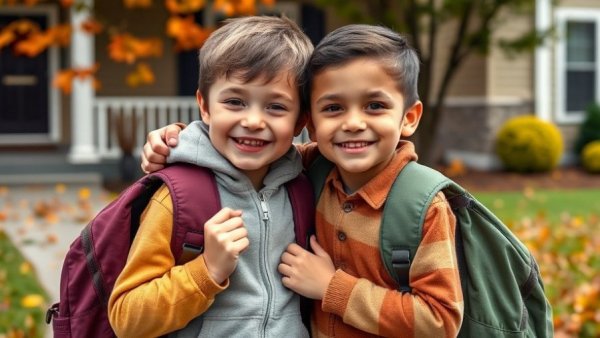
The data speaks volumes: a recent 2022 study from the Trevor Project found that 54% of LGBTQ youth received crucial support from their siblings when they came out, overshadowing the support reported from parents or caregivers. This statistic underscores the vital role siblings can play in the lives of LGBTQ+ individuals—a potential lifeline during challenging times. Examples like Brian's illustrate this dynamic vividly.
Growing up in a conservative Southern Baptist family, he found solace in confiding his secret to his younger sister, who, despite her own belief system, provided him with steadfast support. Brian shared that he felt more comfortable coming out to her first because siblings often share a unique bond, one that can sometimes transcend generational divides. This highlights the potential of sibling relationships to act as a bridge to greater acceptance and understanding within families, offering hope for those caught in familial turmoil.
Transitioning Towards Greater Acceptance
There is a glimmer of hope as research indicates that sibling relationships often hold the key to fostering better understanding of LGBTQ issues. For siblings, acknowledging their LGBTQ+ siblings often means confronting inherited prejudices head-on. In Brian's case, his sister's support during his struggle with depression illustrated a movement toward openness that can cultivate deeper familial bonds. This willingness to engage is crucial, as dialogue can pave the way for healing and increased acceptance.
Furthermore, both informal discussions among family members and structured conversations with counselors can facilitate understanding and empathy. If siblings can begin to listen and advocate for one another, the landscape for LGBTQ acceptance within families may slowly evolve, leading to improved mental health outcomes for all involved.
Re-Navigating Relationships
For many LGBTQ+ individuals, reconnecting with siblings who have previously distanced themselves is not merely about reconciliation; it’s about rebuilding trust and fostering understanding. Mental health professionals like Karen Gail Lewis stress the importance of dialogue among siblings. Honest conversations can alter the course of familial relationships and potentially mend emotional wounds inflicted by years of rejection.
The process of re-navigating relationships may not be easy, but it is often necessary. Forgiveness, empathy, and dialogue can serve as powerful tools in this journey. For siblings who have distanced themselves due to misunderstanding or fear, approaching conversations with an open heart can help in transforming their relationship, laying foundational support for mutual respect and acceptance.
Looking Ahead: A Path to Healing
As society continues to grapple with LGBTQ acceptance, the role of siblings remains pivotal. Whether through local advocacy groups, community support, or one-on-one conversations, fostering understanding and acceptance among siblings can lead to significant change. Awareness campaigns that focus on educating families about LGBTQ issues can further facilitate these discussions, opening avenues for reflection and understanding.
The impacts of rejection and acceptance continue to shape LGBTQ lives profoundly—making the stakes for sibling acceptance all the more essential. Establishing inclusive family environments can reduce stigma and create support networks that help LGBTQ individuals thrive.
Conclusion: The Journey of Acceptance Is Ongoing
The stories of individuals like Jessica and Brian remind us that the journey toward acceptance within families is often fraught with challenges but not insurmountable. It is vital for those in the LGBTQ+ community to seek spaces that affirm their identities and foster connections. Advocacy and education can help dismantle harmful beliefs and create environments where love, rather than rejection, shines brightly.





Write A Comment