
Impending Supreme Court Cases Troubles LGBTQ2S+ Youth Rights
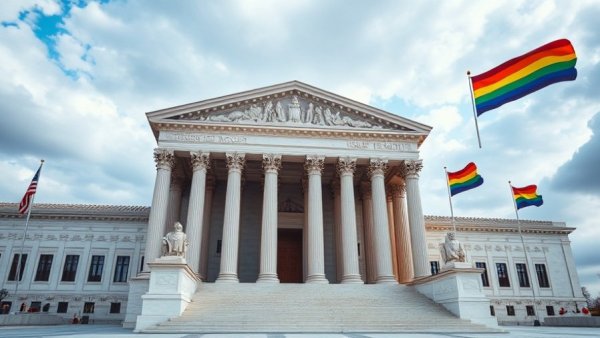
As America turned the page following a historic midterm election, the Supreme Court now holds the fate of LGBTQ2S+ youth and their families in its hands. Two pivotal cases, largely flying under the radar during a season buzzing with political fervor, could set a precedent impacting LGBTQ2S+ rights for decades. The cases raise significant questions about the balance between religious freedom and anti-discrimination laws, a topic that remains as contentious as ever in contemporary American society.
St. Mary Catholic Parish v. Roy & International Partners for Ethical Care v. Ferguson
The first case, St. Mary Catholic Parish v. Roy, involves Catholic preschools in Colorado challenging the state's requirement to sign an anti-discrimination agreement in exchange for funding. This agreement prohibits discrimination based on various factors, including sexual orientation and gender identity, and aims to ensure equal access to preschool for all children. The Catholic preschools argue this requirement infringes upon their religious beliefs regarding same-sex marriage and gender identity, claiming the government should not compel their compliance.
In the second case, International Partners for Ethical Care v. Ferguson, a group of religious parents in Washington state contests policies that aim to protect trans youth in state-licensed shelters, arguing these policies encroach on their parental rights. Legal scholars caution that the arguments presented are largely theoretical, rooted in a broader conservative strategy aimed at developing legal exemptions for discrimination against LGBTQ2S+ individuals and families.
The Implications of a Conservative Court
The Supreme Court's conservative faction, which appeared sympathetic to the arguments presented by the plaintiffs during hearings in these cases, could redefine protections available to LGBTQ2S+ youth. The dangerous precedent set by a ruling favoring religious exemptions over anti-discrimination laws could embolden other organizations to pursue similar claims, potentially infringing on the rights of marginalized communities. Public opinion has evolved on LGBTQ2S+ rights, and yet, this court's trajectory may complicate progress made over the past few years.
Responses from the LGBTQ2S+ Community
Individuals and advocacy groups within the LGBTQ2S+ community are expressing outrage and concern over these cases and their potential ramifications. Luce Remy from the family advocacy group Family Equality points out that the plaintiffs in these cases argue based on harms they have not yet experienced. This theoretical approach could lead to far-reaching consequences that jeopardize hard-won gains in the struggle for LGBTQ2S+ rights.
Advocacy groups stress the importance of continued engagement and outreach in local communities, utilizing grassroots activism to raise awareness and fight against anti-LGBTQ2S+ legislation. With these cases potentially impacting how states protect LGBTQ2S+ youth, it is crucial for allies and supporters to stand firm in their support and rights advocacy.
Looking Ahead: The Future of LGBTQ2S+ Rights in America
As the Supreme Court deliberates, the future of LGBTQ2S+ rights remains uncertain. While the implications of these two cases shine a light on the delicate balance between religious freedom and equality, they also highlight the need for solidarity and active participation in the ongoing fight for LGBTQ2S+ inclusion. Supporters and activists must rally, ensuring that voices of LGBTQ2S+ youth and their families are amplified and heard, especially in a climate that threatens their safety and rights.
It is pivotal to understand the implications of any decisions made by the Supreme Court and how they may affect LGBTQ2S+ youth years down the line. The lives of countless young individuals are at stake, and community voices must continue to advocate for their rights and protections. As the legal landscape shifts, everyone has a role in shaping a future that embraces diversity and inclusion.





Write A Comment