
cropper
Queer Action Network
  • Home
  • Categories
    • Politics & Policy
    • LGBTQ+ News
    • Gay & Trans Rights
    • Community Voices
    • Health & Wellness
    • Culture & Pride
    • Equality & Social Justice
    • Youth & Education
February 11.2026
3 Minutes Read

Meet the 'Blade Angels': How LGBTQ+ Athletes Are Shaping Sports Culture

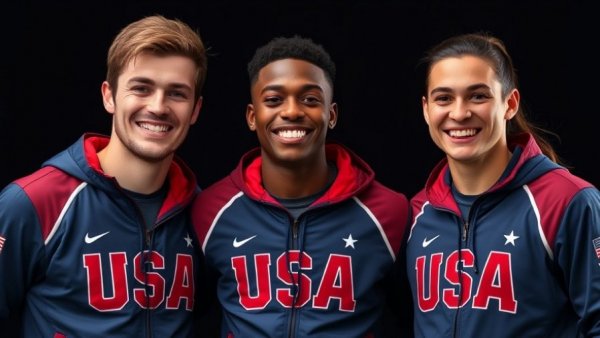
Three smiling athletes in USA jackets representing LGBTQ+ in sports.

Rising Stars: The 'Blade Angels' of Figure Skating

The world of figure skating has long been a site of competition and drama, but it has also transformed into a vibrant space for representation and inclusivity. At the forefront of this movement is the U.S. figure skating trio known as the "Blade Angels"—comprised of Amber Glenn, Alysa Liu, and Isabeau Levito. This year, they not only brought home gold from the Milan Cortina Winter Olympics but also captured the hearts of a new generation of fans who are eager to support LGBTQ+ athletes.

Unexpected Icons in LGBTQ+ Representation

Amber Glenn's presence at the Olympics is particularly significant as she has become the first openly queer woman to represent the U.S. in figure skating. Such representation is crucial, especially for young LGBTQ+ individuals who often feel underrepresented in mainstream sports. Glenn’s bold announcement of her pansexuality has opened the door for more honest conversations about identity in athletics. As the media increasingly highlights these dynamic athletes, they're becoming symbols of hope and empowerment for the queer community.

Content Creation: TikTok and The LGBTQ+ Narrative

Social media platforms like TikTok have also played a substantial role in amplifying the voices of Glenn, Liu, and Levito. With fan edits flooding TikTok celebrating their performances and camaraderie, the trio has quickly established a reputation as cultural icons. TikTok user @jessaugustyn aptly described the trio as the embodiment of "alt, gay, and from New Jersey," emphasizing not only their identities but also the relatability that builds a connection with their followers. This blend of authenticity and artistic expression feeds into a larger narrative of visibility and representation in sports.

The Impact of Friendship on Performance

The chemistry among Glenn, Liu, and Levito is palpable both on and off the ice. They have created a supportive environment that has allowed each of them to thrive, underscoring the importance of friendship in high-stakes sports. Their group chat brainstorming session for an official team name brought forth a spark of creativity and humor—the final choice "Blade Angels" speaks to their dynamic and light-hearted community spirit. Their friendship is not just a backstory; it serves as a cornerstone in their psychological resilience during competitions.

Challenges Beyond the Ice: Navigating LGBTQ+ Activism

Despite their successes, the journey has not been without challenges. Amber Glenn recently opened up about facing “outlandish” backlash for her outspoken support of LGBTQ+ rights. The reality is, while their performances might win gold, their audacity to voice crucial social issues invites scrutiny. Glenn has remained unyielding, insisting that she will not back down on political matters that matter to her and her community. This resilience can inspire many within the LGBTQ+ community, pushing them to advocate for their rights despite the societal pressures.

Future Trends in LGBTQ+ Participation in Sports

The presence of athletes like Glenn, Liu, and Levito at such a high-profile international platform signals a shift for LGBTQ+ representation in sports. Historically, sports have often sidelined individuals from the LGBTQ+ community, but recent changes indicate a gradual evolution towards inclusivity. This shift suggests that the future of sports could be increasingly friendly to the LGBTQ+ community, encouraging more athletes to feel comfortable expressing their identities. Initiatives promoting LGBTQ+ inclusivity in sports have started gaining momentum, which could lead to profound policy changes and greater community support going forward.

Call to Action: Support LGBTQ+ Athletes

To further strengthen the movement towards equality and empowerment in sports, individuals can actively engage in support of LGBTQ+ causes. Whether it's donating to LGBTQ+ advocacy groups, participating in local pride events, or educating oneself on LGBTQ+ issues, every effort helps build a more inclusive environment. Stand up for athletes like Glenn and help elevate the voices that are demanding equality and justice within the realm of sports.

LGBTQ+ News

2 Views

0 Comments

Write A Comment

*
*
Please complete the captcha to submit your comment.
Related Posts All Posts
11.24.2026

Bowen Yang's Apology Sparks Discussion on Language and LGBTQ+ Activism

Update Understanding the Impact of Language in LGBTQ+ DiscourseBowen Yang's recent apology for his use of the term "Zio" demonstrates the complex dynamics at play within LGBTQ+ discourse, especially as it intersects with critical discussions about antisemitism, politics, and identity. While Yang intended to comment on Regina Spektor's pro-Israeli remarks, his choice of words backfired, revealing how language can foster division, even within communities advocating for inclusion and rights. The controversy surrounding Yang's remarks illustrates not only the challenges of speaking on sensitive issues but also the potential consequences when those words are perceived as harmful.The Importance of Recognizing Cultural ContextYang's comments, irrespective of intention, highlight the necessity for public figures to understand the repercussions of their words, particularly in our increasingly polarized society. The term "Zio" has been weaponized by far-right factions, turning it into a derogatory slur with roots in antisemitic ideology, suggesting a broader cultural context that must be acknowledged. This brings forward a conversation about the responsibility individuals bear in using charged language responsibly. Spektor herself, a Jewish artist with a unique narrative of fleeing anti-Jewish violence in Russia, has had to navigate the complexities of her identity while voicing her support for Israel amid rising tensions.Exploring Regina Spektor’s BackgroundRegina Spektor's background adds an important layer to this discussion. Born in Russia to a Jewish family that immigrated to the United States to escape anti-Jewish violence, Spektor’s experiences shape her understanding of the conflicts in the Middle East. She has released eight studio albums and is known for her thoughtful lyrics that often touch upon themes of identity, displacement, and acceptance. Spektor's advocacy for same-sex marriage and her opposition to anti-LGBTQ+ legislation further highlight her commitment to social justice. Therefore, her support for Israel following the brutal attacks by Hamas militant fighters on October 7, 2023, reflects her deep-seated concern for the safety and well-being of the Jewish community.Social Media's Role in Shaping OpinionsYang's initial comment and subsequent apology illuminate the impact social media has on discussions surrounding LGBTQ+ rights and inter-community relationships. In an era where public figures’ words are scrutinized and instant feedback can be overwhelmingly critical, the lines between free expression and harmful rhetoric often get blurred. This phenomenon is particularly pronounced in discussions about sensitive topics like the Israeli-Palestinian conflict, where emotions run high, and differing viewpoints can lead to misunderstandings. Notably, the backlash from the Anti-Defamation League's Jonathan Greenblatt reflects deep-seated concerns regarding how LGBTQ+ activists can dialogue about antisemitism without perpetuating it. The immediacy of social media means that any misstep can lead to a rapid escalation of tensions, making it essential for influencers and activists to navigate these conversations carefully.The Intersection of LGBTQ+ Rights and Global PoliticsWhile Yang made headlines for his remarks, it’s important to consider how LGBTQ+ rights intersect with global political narratives, especially in contexts like the Israeli-Palestinian conflict. Spektor has used her platform to advocate for compassion towards both Jewish and Palestinian communities, emphasizing the need for nuanced perspectives that acknowledge the suffering on all sides. This multifaceted viewpoint is essential in addressing issues of oppression and violence experienced by marginalized communities—whether they be LGBTQ+ individuals facing discrimination or those affected by geopolitical conflicts. The potential for solidarity among these groups hinges on the ability to engage in fruitful dialogue, recognizing the struggles faced by others as integral to the fight for universal rights.Future Predictions: The Responsibility of AdvocacyAs both communities navigate these complex issues, the burden of responsibility lies on activists, especially those like Yang, who occupy significant cultural spaces. Moving forward, LGBTQ+ advocates will need to engage more thoughtfully with each other's distinct histories, illustrating the importance of unity amidst diversity. Recognizing when to push back against harmful narratives while amplifying the struggles of different communities will be crucial in building coalitions that truly represent and protect all voices. Activists must ensure that their language fosters understanding rather than division, ultimately creating an environment where dialogue can flourish outside of social media's often combative landscape.Concluding Thoughts: A Call for Inclusivity and UnderstandingYang's experience serves as a detrimental reminder that rhetoric in civil rights movements matters immensely. Apologies must go beyond performative acts; they must lead to deeper engagement and learning. As the LGBTQ+ community grapples with sensitive intersections of hate and political stances, embracing inclusivity is essential for fostering a dialogue that resists prejudice in all forms. Both Yang's misstep and Spektor's response should inspire reflection on how language and advocacy can either unite or divide communities. To genuinely create a space of mutual understanding, it is imperative for individuals, especially those in influential positions, to consider the broader implications of their words and actions, striving towards a more compassionate discourse that respects the complexities of identity and belief.

11.23.2026

Siblings and LGBTQ+ Rejection: Understanding a Complicated Love

Update Unpacking the Bonds of Sibling Relationships in LGBTQ+ Contexts In an ideal world, siblings might be a source of unconditional love and support, particularly for LGBTQ+ individuals coming out to their families. Yet, a significant number of LGBTQ+ people, as depicted in the heartbreaking story of Jessica Everhart, experience a contrasting reality. Jessica's journey through her sister's painful attempt to 'cure' her through conversion therapy stands as a stark example of how familial bonds can become laced with conditional love, grounded in deeply ingrained religious beliefs. This phenomenon illustrates the intricate complexities often hidden within family dynamics. The Role of Religion in Shaping Family Dynamics According to various studies, including a 2014 analysis, frequent religious attendance often leads to lower acceptance rates of LGBTQ+ identities within families. Jessica's experiences illustrate how her upbringing in a devout Church of God family contributed to her internalized sense of shame and unworthiness. Her painful recollection of prayerfully wishing to be “normal” highlights the intense societal pressure faced by LGBTQ+ individuals. Compounded by her family's rejection, these beliefs nearly shattered her self-esteem, increasing her feelings of isolation and hopelessness. Understanding these views is crucial, especially in conservative religious families, where siblings may adopt a protective mindset, believing they are acting in the best interest of their LGBTQ+ siblings. When rejection is framed as an act of love, it can lead to an agonizing paradox that strains sibling relationships and leaves deep emotional scars. The Emotional Ripple Effects of Sibling Rejection Research consistently underscores the profound impact that sibling rejection can have on mental health. For instance, a 2019 study revealed that higher levels of acceptance from siblings correlate with a significantly lower likelihood of suicidal ideation among transgender youth. This comparison emphasizes how vital a supportive sibling can be in navigating the complexities of one's identity. Yet, for individuals like Jessica, the rejection from a once-beloved sibling can create emotional scars that can remain for a lifetime. Personal connections that should ideally offer solace instead transform into sources of pain, exacerbating feelings of unworthiness and alienation. The psychological toll is immense, often leading to depression and anxiety, challenges that many LGBTQ+ individuals continue to battle into adulthood. Statistical Insights on Sibling Support in the LGBTQ+ Community The data speaks volumes: a recent 2022 study from the Trevor Project found that 54% of LGBTQ youth received crucial support from their siblings when they came out, overshadowing the support reported from parents or caregivers. This statistic underscores the vital role siblings can play in the lives of LGBTQ+ individuals—a potential lifeline during challenging times. Examples like Brian's illustrate this dynamic vividly. Growing up in a conservative Southern Baptist family, he found solace in confiding his secret to his younger sister, who, despite her own belief system, provided him with steadfast support. Brian shared that he felt more comfortable coming out to her first because siblings often share a unique bond, one that can sometimes transcend generational divides. This highlights the potential of sibling relationships to act as a bridge to greater acceptance and understanding within families, offering hope for those caught in familial turmoil. Transitioning Towards Greater Acceptance There is a glimmer of hope as research indicates that sibling relationships often hold the key to fostering better understanding of LGBTQ issues. For siblings, acknowledging their LGBTQ+ siblings often means confronting inherited prejudices head-on. In Brian's case, his sister's support during his struggle with depression illustrated a movement toward openness that can cultivate deeper familial bonds. This willingness to engage is crucial, as dialogue can pave the way for healing and increased acceptance. Furthermore, both informal discussions among family members and structured conversations with counselors can facilitate understanding and empathy. If siblings can begin to listen and advocate for one another, the landscape for LGBTQ acceptance within families may slowly evolve, leading to improved mental health outcomes for all involved. Re-Navigating Relationships For many LGBTQ+ individuals, reconnecting with siblings who have previously distanced themselves is not merely about reconciliation; it’s about rebuilding trust and fostering understanding. Mental health professionals like Karen Gail Lewis stress the importance of dialogue among siblings. Honest conversations can alter the course of familial relationships and potentially mend emotional wounds inflicted by years of rejection. The process of re-navigating relationships may not be easy, but it is often necessary. Forgiveness, empathy, and dialogue can serve as powerful tools in this journey. For siblings who have distanced themselves due to misunderstanding or fear, approaching conversations with an open heart can help in transforming their relationship, laying foundational support for mutual respect and acceptance. Looking Ahead: A Path to Healing As society continues to grapple with LGBTQ acceptance, the role of siblings remains pivotal. Whether through local advocacy groups, community support, or one-on-one conversations, fostering understanding and acceptance among siblings can lead to significant change. Awareness campaigns that focus on educating families about LGBTQ issues can further facilitate these discussions, opening avenues for reflection and understanding. The impacts of rejection and acceptance continue to shape LGBTQ lives profoundly—making the stakes for sibling acceptance all the more essential. Establishing inclusive family environments can reduce stigma and create support networks that help LGBTQ individuals thrive. Conclusion: The Journey of Acceptance Is Ongoing The stories of individuals like Jessica and Brian remind us that the journey toward acceptance within families is often fraught with challenges but not insurmountable. It is vital for those in the LGBTQ+ community to seek spaces that affirm their identities and foster connections. Advocacy and education can help dismantle harmful beliefs and create environments where love, rather than rejection, shines brightly.

11.22.2026

Why Abbi Jacobson and Her Wife Pretend to be Sisters in Some States

Update Living in Fear: The Reality for LGBTQ+ Couples Recently, actress Abbi Jacobson opened up about a stark reality that many same-sex couples face while traveling across the United States. During an interview, she revealed that she and her wife, actress Jodi Balfour, sometimes have to pretend to be sisters instead of partners in specific states due to concerns for their safety. Jacobson articulated this unsettling truth, demonstrating the precarious existence that many LGBTQ+ individuals face in regions where anti-LGBTQ+ sentiments remain high. This necessity of hiding one’s true identity not only impacts personal relationships but also affects mental health, creating a burden that many LGBTQ+ individuals bear silently. Progress and Challenges in Hollywood Jacobson’s candid discussion about her relationship reflects not just a personal experience but highlights the broader social landscape. While she praised the progress made in Hollywood, including the ability to be open about her sexuality and work without hiding, she acknowledged the varying degrees of acceptance across the country. Hollywood has indeed made strides; however, there remains a patchwork of social attitudes toward LGBTQ+ rights in different states. Notably, some filmmakers and actors are leveraging their platforms to advocate for change and representation, fostering a more inclusive industry landscape. That said, the gap between acceptance in progressive cities and conservative regions continues to create disparities that affect LGBTQ+ couples and families. The Impact of Location on LGBTQ+ Relationships The necessity of pretending to be something one is not in certain places speaks to a severe issue of safety and acceptance in the LGBTQ+ community. This sentiment resonates deeply with individuals who, in their everyday lives, may have to navigate spaces where their identities are not welcomed. Jacobson’s example serves as a stark reminder that while some areas might be progressive hubs, other places still harbor outdated laws and social standards that can endanger the lives of marginalized groups. In states with anti-LGBTQ legislation, the fear of discrimination or violence remains very real. For many couples, being forced into a false narrative can strain relationships and identities, as they grapple with the dissonance between their proclaimed selves and how they must present to the world. This duality can lead to feelings of isolation and anxiety, further underscoring the need for societal shifts towards acceptance and understanding. The emotional toll is significant, as LGBTQ+ individuals often feel they must continuously assess their environment for potential threats to their safety and their relationship. Reflecting on Identity through Art In the context of her latest film, Tangles, which revolves around a woman caring for her mother with Alzheimer’s, Jacobson's reflections on her queer identity surface in intriguing ways. The film adaptation of Sarah Leavitt’s graphic memoir can be seen as a poignant exploration of familial relationships, echoing her genuine understanding of what family means. Jacobson noted that sharing authentic stories is vital—especially stories that include LGBTQ+ experiences—since they foster understanding and acceptance in society. This connection between art and real-life experiences highlights how representation in media can influence societal attitudes and beliefs. This specific film not only addresses care within families but also tackles themes of love and identity, making it particularly relatable to those navigating complex personal dynamics. The well-rounded portrayal of diverse narratives in media is crucial in normalizing LGBTQ+ stories and experiences, showing audiences that differing realities are just as valid and worthy of acknowledgment. Pushing Back Against Anti-LGBTQ+ Legislation Jacobson is also vocal about issues affecting the LGBTQ+ community, such as the recent cancellation of her Amazon series A League of Their Own after only one season, which she deemed unfairly attributed to industry strikes. The cancellation stripped away an essential platform that celebrated LGBTQ+ and Black stories, reminding audiences that representation matters. In today’s evolving landscape, it's crucial for artists and advocates alike to fight against narratives that undermine representation and inclusion. Jacobson's frustration is shared by many in the community, who see these cancellations as not just a loss of jobs, but a regression in visibility for underrepresented stories. Cultural representations significantly shape public perceptions, framing the conversation around LGBTQ+ identities and issues. The fight against censorship and misrepresentation becomes a collective responsibility, underscoring the importance of artistic freedom and equity in storytelling. Bridging the Gap: The Path Forward To move towards a culture of inclusivity, continual activism is required. Individuals and organizations must strive for better laws and protections for LGBTQ+ rights while also fostering community discussions about discrimination and safety. Jacobson's story sheds light on the challenges that LGBTQ+ individuals face, emphasizing the need for collective action to pave the way for a future where every relationship, irrespective of gender, can be celebrated without fear. The importance of local advocacy cannot be overstated, with grassroots movements standing at the forefront to create safer, more inclusive environments. Join the Movement: Insights and Actions As we navigate this critical moment in LGBTQ+ advocacy, it's imperative for allies to demonstrate support through everyday actions: educating oneself on LGBTQ+ civil rights, advocating for change in local laws, and participating in community organizations that promote safety and inclusivity for all. Together, we can dismantle the barriers that remain for LGBTQ+ couples and ensure that the love shared is never hidden behind a guise of sisterhood. By creating a culture of understanding and respect, we can foster environments where everyone feels equal and valued, regardless of whom they love.

Queer Action Network

Get your news here! 
Get your Gay News Here!  

COMPANY

  • Privacy Policy
  • Terms of Use
  • Advertise
  • Contact Us
  • Menu 5
  • Menu 6

3479746224

AVAILABLE FROM 8AM - 5PM

Brought To you from Michigan and Toronto, Canada

, ,

ABOUT US

We believe in everyone's right to live how they want, and express themselves in ways that matter to them. Life is becoming more dangerous to live outside "the box" that people want to put us in.  We say "NO".

© 2026 CompanyName All Rights Reserved. Address . Contact Us . Terms of Service . Privacy Policy

Terms of Service

Privacy Policy

Core Modal Title

Sorry, no results found

You Might Find These Articles Interesting

T
Please Check Your Email
We Will Be Following Up Shortly
*
*
*