

Gun Drawing Incident Highlights Tensions for LGBTQ Individuals
In a troubling but critical moment for LGBTQ rights, Wyoming resident Rihanna Kelver faced significant legal consequences after drawing a gun on a former member of the controversial Patriot Front. This confrontation unfolded outside a bar in Laramie, where Kelver, a trans woman, reported being shoved during a heated exchange. The Patriot Front is known for its white supremacist ideology and aggressive tactics, raising larger concerns within the community about safety and acceptance. The implications of such incidents extend beyond personal safety—they also underline the ongoing struggles of marginalized groups seeking protection and validation in increasingly hostile environments.
Legal Risks and Advocacy in LGBTQ Rights
After considering a sentence of up to 15 years in prison, Kelver opted for a plea deal, a decision that illustrates the precarious legal landscape for individuals asserting their right to self-defense. Advocates stress the complexity surrounding self-defense laws and how they often fail to protect vulnerable populations. Legal experts emphasize the urgent need for comprehensive LGBTQ discrimination laws that would provide better protection for individuals like Kelver who find themselves in vulnerable situations. This incident becomes a stark reminder of how societal perceptions and legal frameworks often leave LGBTQ individuals without adequate protections, forcing them into difficult choices when confronting potential threats.
Current Climate of Anti-LGBTQ Sentiments
As tensions rise surrounding LGBTQ issues across the nation, incidents like Kelver's are becoming alarmingly common. A surge in anti-LGBTQ laws and hateful rhetoric can create environments where individuals may feel compelled to take drastic measures for their safety. Activists warn that these exacerbated conditions can lead to a cycle of violence and fear. Advocacy groups such as the Human Rights Campaign have raised alarms about this climate, emphasizing the importance of LGBTQ activism to foster safer spaces where individuals can express their identities without fear of violence or retaliation. The situation also calls attention to the role of educational programs in schools and communities, aimed at promoting understanding and acceptance.
Emotional Impact on the LGBTQ Community
The emotional ramifications of such events on the LGBTQ community can be profound. Many individuals report feelings of anxiety, fear, and isolation in public spaces, particularly when faced with unprovoked hostility. Reports of increased mental health issues among LGBTQ individuals are on the rise, underscoring the critical need for supportive environments. A supportive social network is essential during such traumatic experiences. This highlights the need for LGBTQ advocacy groups to provide not only legal resources but also mental health support and community connections to those affected. Counseling and peer support can play vital roles in helping individuals navigate their feelings and reclaim their sense of safety.
Your Role in Advocacy
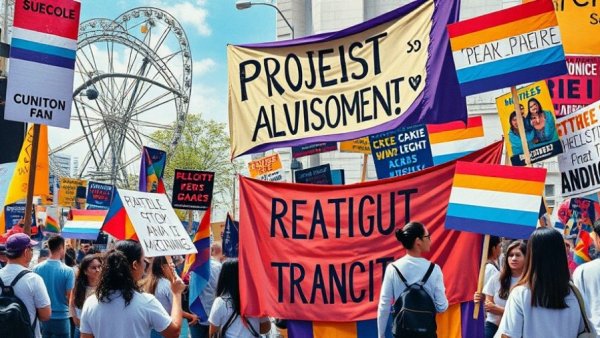
As the landscape for LGBTQ rights continues to evolve, individuals have the power to make a difference. Whether through advocacy, educational outreach, or simply providing support to those in need, each person's contribution matters. Consider joining local LGBTQ advocacy groups, promoting awareness, or participating in educational programs to uplift LGBTQ stories and experiences. This proactive approach can lead to meaningful change and increased awareness of LGBTQ rights issues. Participating in community events, attending rallies, or even just sharing information on social media can strengthen the collective voice advocating for change.
Looking Ahead: The Path for Change
The future for LGBTQ rights in Wyoming and beyond hinges on awareness, acceptance, and action. Continuing to share stories like Kelver's can shine a light on the challenges faced by individuals in marginalized communities. Through collective efforts to advocate for policy changes and foster inclusivity, society can work towards a paradigm where safety and acceptance are guaranteed for all individuals, regardless of their gender identity or sexual orientation. This ongoing dialogue is essential in paving the way for future generations to live freely, without fear of violence or discrimination. By participating in this dialogue, community members can help build a safer, more inclusive society for everyone.



Write A Comment