
Canadians' Enthusiastic Support for Trans Rights
Recent studies show a resounding majority of Canadians are firmly standing behind trans rights, demonstrating a clear public perception that prioritizes safety and inclusion for trans individuals. This overwhelming support aligns with broader movements towards equality and justice, yet it starkly contrasts with a growing trend in political rhetoric that seems increasingly hostile towards LGBTQ+ issues. Canadians are proving to be champions of inclusivity, offering a powerful reminder of the importance of compassion in a diverse society.
A Snapshot of Public Opinion: Safety First
With data suggesting that over 80% of Canadians believe in the necessity of safeguarding transgender individuals, it becomes apparent that the narrative often spun by some politicians diverges sharply from the realities of public sentiment. This disconnect raises questions about the motivations driving such political actions, especially given the stark contrast between citizen attitudes and the legislative efforts at play. The support extends beyond mere opinion; it often translates into grassroot movements and advocacy efforts aimed at creating legislative changes that reflect the desires of the populace.
The Cultural Landscape: A Struggle for Inclusion
The fight for trans rights in Canada is not only a legal and political issue but a deeply personal one for many. Communities across the country have witnessed emotional stories of resilience, including uplifting accounts of local advocacy groups championing the causes for LGBTQ+ youth rights and mental health support. Spaces where trans youth can feel safe and accepted are crucial as they navigate their identities amidst challenging circumstances. Many schools have started initiatives to create inclusive environments, promoting the importance of understanding and tolerance as core values within educational institutions.
Understanding Media Influence: The Role of Discourse
In today’s digital age, online discourse has a profound influence on public opinion. While many Canadians support trans rights, negative portrayals and sensationalized stories can sway not only the opinions of individuals but also policymakers. This underscores the importance of critical thinking and media literacy among the public. Understanding this dichotomy highlights the essential role of responsible media in shaping narratives around LGBTQ issues and fostering a culture of acceptance. Positive stories about trans individuals’ achievements and rights advocacy can play a significant role in normalizing their experiences and contributions to society.
Political Actions vs. Public Sentiment
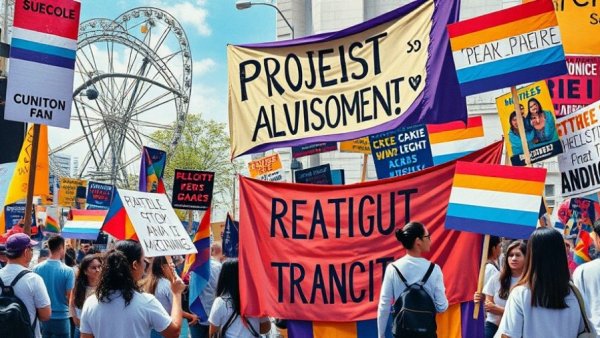
Despite overwhelming public support, recent political decisions in Canada have threatened the collective rights of trans individuals. A significant number of proposed laws are seen as discriminatory, drawing ire from countless advocacy groups and LGBTQ+ allies. These groups are not backing down; protests and campaigns have emerged to educate the public and pressure politicians to align their actions with the values of their constituents. This contradiction prompts one to ponder: Why do political representatives push back against the very constituents they are meant to serve? It raises the question of whether some politicians are more influenced by party lines or the fears fostered by certain media narratives rather than the desires of their electorate.
The Future of LGBTQ Rights in Canada
Reflecting on the current trajectory, it’s vital to consider the implications for future generations. What does the political landscape mean for upcoming LGBTQ advocacy and the fight for equality? The fervent involvement of community members, underlined by the belief in basic human rights, promises to shape a future where these rights are celebrated, not debated. As younger generations become more vocal and proactive in social issues, the landscape will continue to evolve, hopefully towards greater recognition and acceptance of LGBTQ rights. However, vigilance remains crucial, as the LGBTQ community continues to rally against potential retrogressive policies.
In a rapidly changing political environment, understanding the relationship between public opinion and legislative action is more critical than ever. The success of the LGBTQ rights movement hinges on connectivity — between legislators and the public, and among advocates themselves. Continued public support is necessary to safeguard the hard-won rights that are currently under threat. Canadians overwhelmingly champion trans rights; it’s now time for political leaders to catch up. The path forward lies in the collaboration of citizens, advocacy groups, and policymakers to ensure a society where every individual, regardless of gender identity, feels safe and valued.




Write A Comment